Building AI Native Systems as an Internal FDE at a Non-Tech Company With Zero Engineers
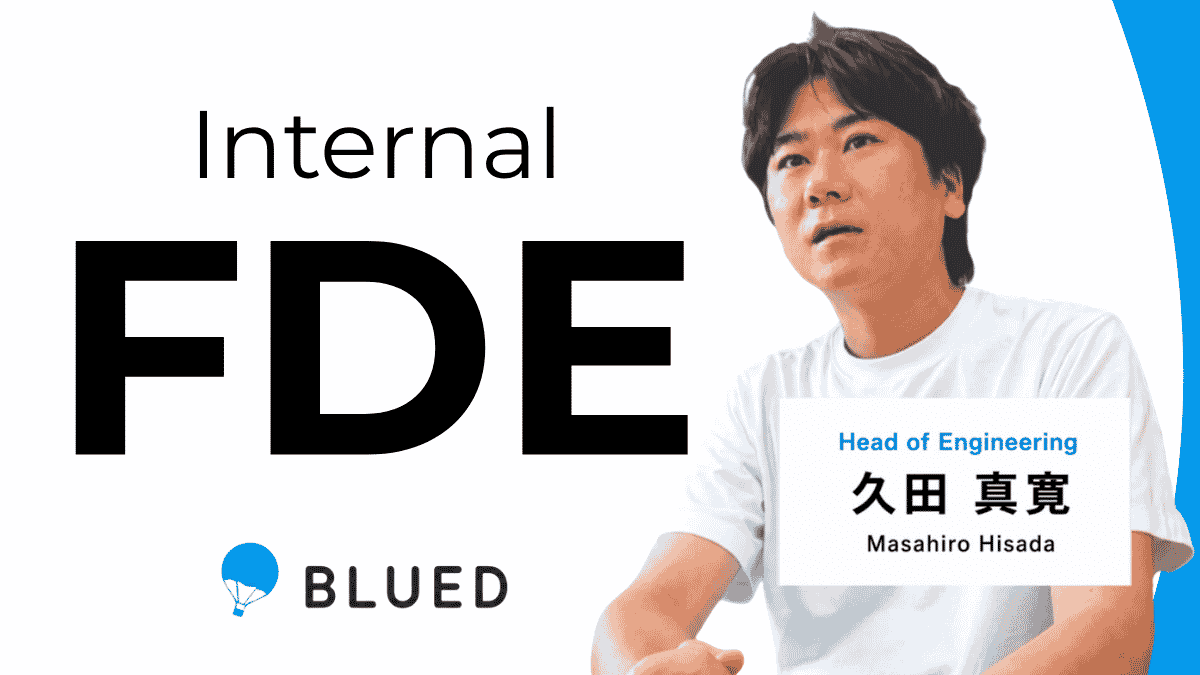
Disclaimer: Build+ is a recruitment partner of BLUED. We are republishing this interview in English to help jobseekers learn more about the company, its culture, and its approach to technology and AI. Build+ did not conduct or write the original interview. The original Japanese article was created and published by BLUED, and this English version has been translated and localized with permission. Read the original here: https://note.com/bluedrecruitment/n/n9a8e4e49727e
In April 2026, BLUED welcomed its first-ever engineer: Masahiro Hisada, who has since launched the company’s Product Department and now leads it.
Before joining BLUED, Hisada spent nine years at Wovn Technologies, the company behind the website localization SaaS platform WOVN.io. He joined the company during its early stages and went on to become one of the key technical leaders behind the product.
So why would a Principal Engineer from a SaaS tech company choose to join a non-tech company with no engineers at all?
We asked him.
“The quality of a 10x engineer can now be multiplied by quantity.” How AI has revolutionized productivity.
— First, could you tell us about your career so far?
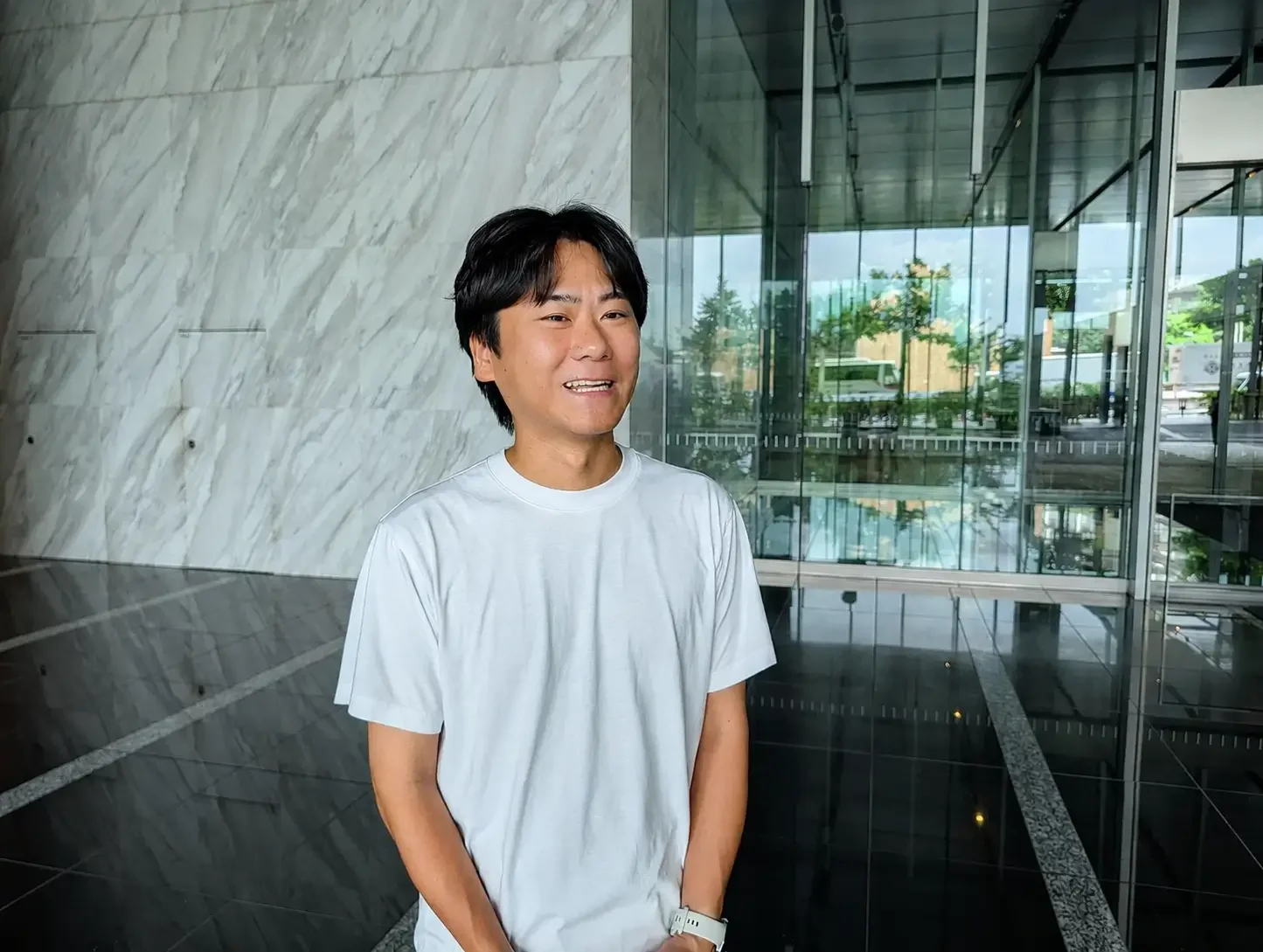
My name is Masahiro Hisada (Linkedin / GitHub: kyuden). I joined BLUED in April 2026 as the company’s first engineer.
Before that, I worked at SCSK Corporation and Manyo Corporation, and then spent nine years at Wovn Technologies, the company behind WOVN.io, a SaaS platform for multilingual websites. I joined Wovn during its early days.
As a Principal Engineer, I worked on inventing and developing the product’s core logic, while also serving as Engineering Manager for an engineering organization of around 30 people.
WOVN.io has been adopted by many of Japan’s leading companies and holds an overwhelming share of the domestic market.
So for my next challenge, I wanted to try becoming a global leader.
— What made you start thinking about changing jobs?
AI.
Through my day-to-day development work using tools such as Claude Code and Codex, I could clearly feel my own productivity increasing severalfold.
The upper limit of what a single engineer could accomplish had changed.
That realization made me reconsider where I could work and create the most value.
There has long been a term in engineering: the “10x engineer.” It refers to an engineer who produces ten times the results or impact of an average engineer. I’ve been fortunate enough to work on the same team as people who were genuinely that exceptional.
But what makes someone ten times more effective isn’t how quickly they can write code or how much code they produce.
It’s their ability to identify the essence of a problem and find the best solution. To create robust designs that minimize rework. To build foundations that improve productivity across an entire team.
It’s the quality of those decisions and actions, and the way their impact spreads across a team or company, that creates those 10x results.
On the other hand, I have never seen anyone increase the sheer quantity of what they can personally produce by ten times. There is a physical limit to how many hours one person can spend working.
AI has changed that.
A 10x engineer can now take their high-quality judgment and design decisions and have two or three AI coding agents implementing them simultaneously.
For the first time, you can multiply 10x “quality” by “quantity.”
I think an experienced, highly capable full-stack engineer can now generate the productivity of one or even two entire teams.
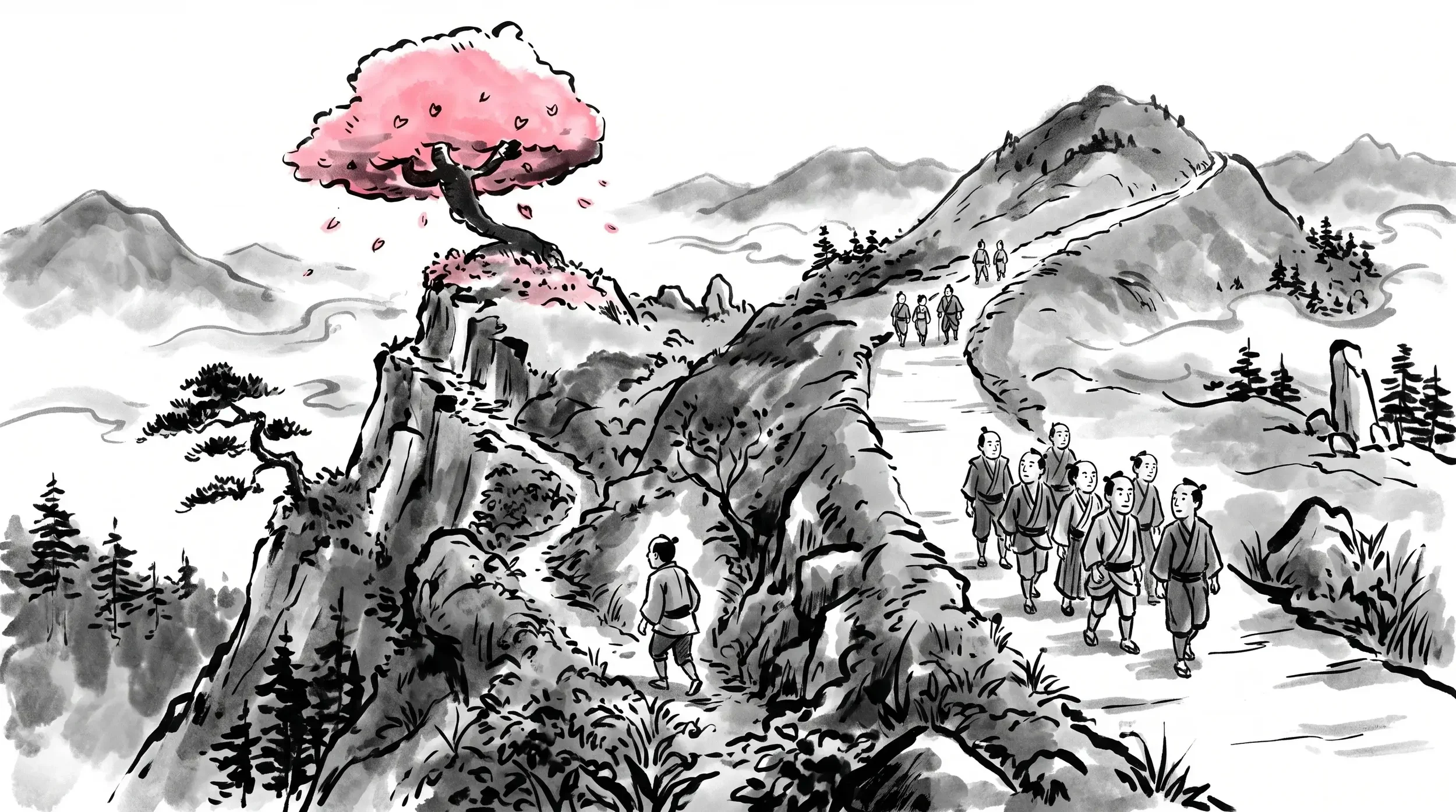
“Where others don’t go, there lies a path—and a mountain of flowers.” An environment with no engineers is where you can create the greatest impact.
— How did that lead you to the idea of joining a “non-tech company”?
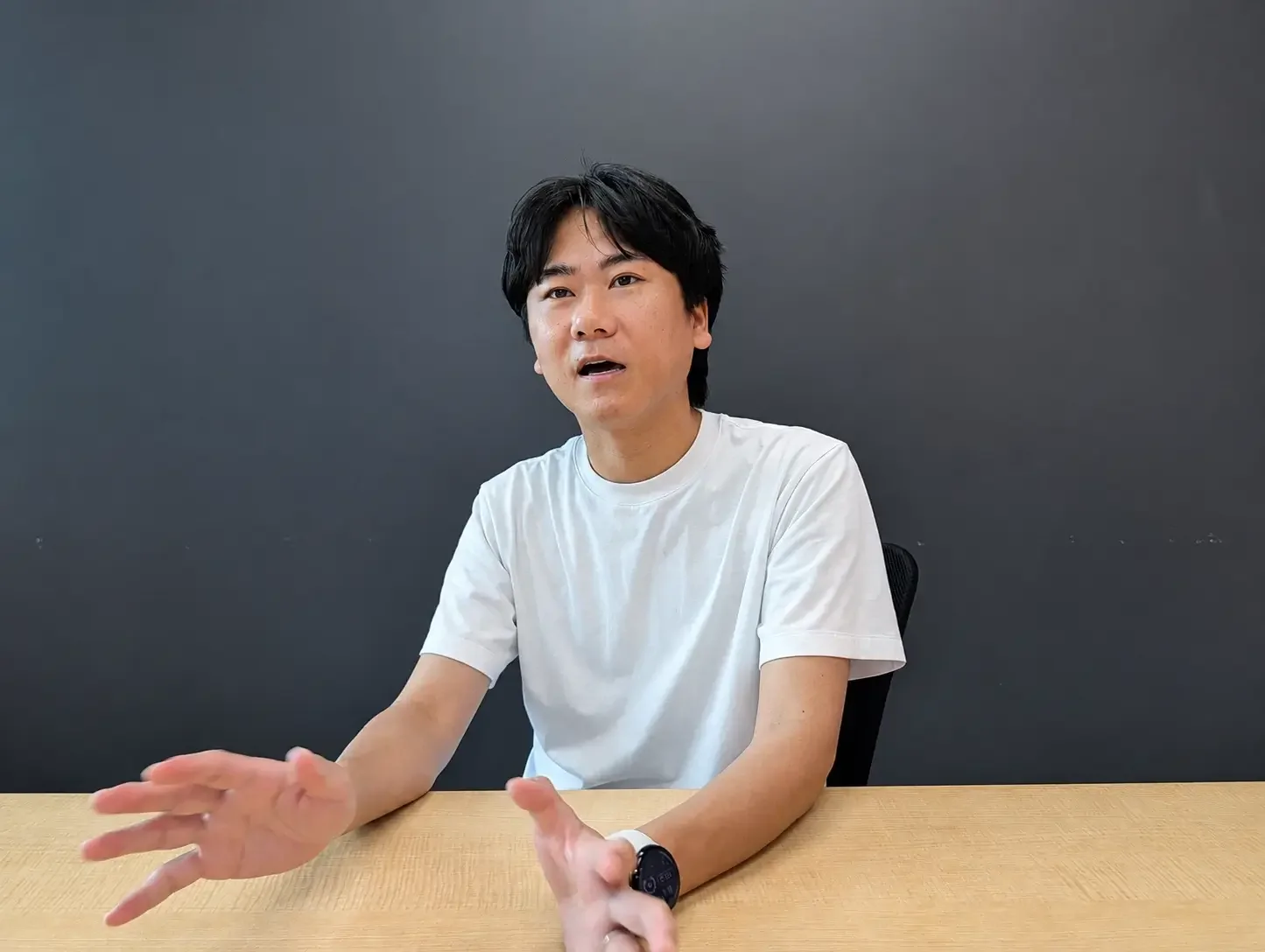
I started thinking:
“If I joined a company that didn’t have a single engineer, maybe I could create not just the impact of one person, but the equivalent of an entire small engineering organization.”
One idea that reinforced this was the role of the FDE, or Forward Deployed Engineer, which has been attracting a lot of attention as AI develops.
For AI agents to work effectively in practice, one of the key requirements is organizing the data and business workflows accumulated inside a company and customizing products around the needs of each individual customer.
As a result, companies have increasingly begun embedding engineers directly inside customer organizations.
That is essentially what an FDE does. The exact role varies from company to company, but organizations ranging from OpenAI, Google and Palantir to Japanese tech companies are rapidly increasing their hiring for these positions.
That made me think:
If the goal is to maximize impact through AI, rather than being sent into a company as an FDE to customize an existing product, wouldn’t it be interesting to simply join that company myself?
I could do FDE-like work while redesigning our own internal workflows around AI agents from the ground up, and then develop AI agents and systems specifically optimized for those workflows.
You can go much deeper that way, right down to solving the smallest pain points.
I felt that would allow me to take full advantage of AI and create the greatest possible impact.
— There are many industries outside tech. What criteria were you using when looking for a company?
It had to be an industry where the adoption of technology and AI was still behind. And it had to be labor-intensive.
The more work that is still being carried out manually, the greater the opportunity to transform it with AI agents.
In fact, many startups overseas that are currently growing rapidly through AI are solving exactly this kind of labor-intensive problem.
Take the U.S. insurance startup Corgi, for example. It has replaced underwriting and assessment processes that previously took people several weeks with AI agents. Its annualized revenue has reportedly grown from $40 million at the beginning of this year to a projected $450 million by year-end.*¹
The company was founded only about two years ago.
Another factor I considered important was finding a company that wasn’t purely online, but operated a real-world business.
What happens when a company in an industry like that becomes capable of fully utilizing AI?
Even if you’re doing similar work, I believe you can create a much greater impact there than you could inside a tech company.
¹ Figures for Corgi are based on reporting by Forbes (July 22, 2026) and TechCrunch (July 23, 2026). Yen conversions in the original Japanese article were calculated at ¥160 to US$1.
The advantage of AI agents won’t last forever. Winning with “data” that tech companies cannot replicate.
— Weren’t you worried about jumping into an environment with no other engineers?
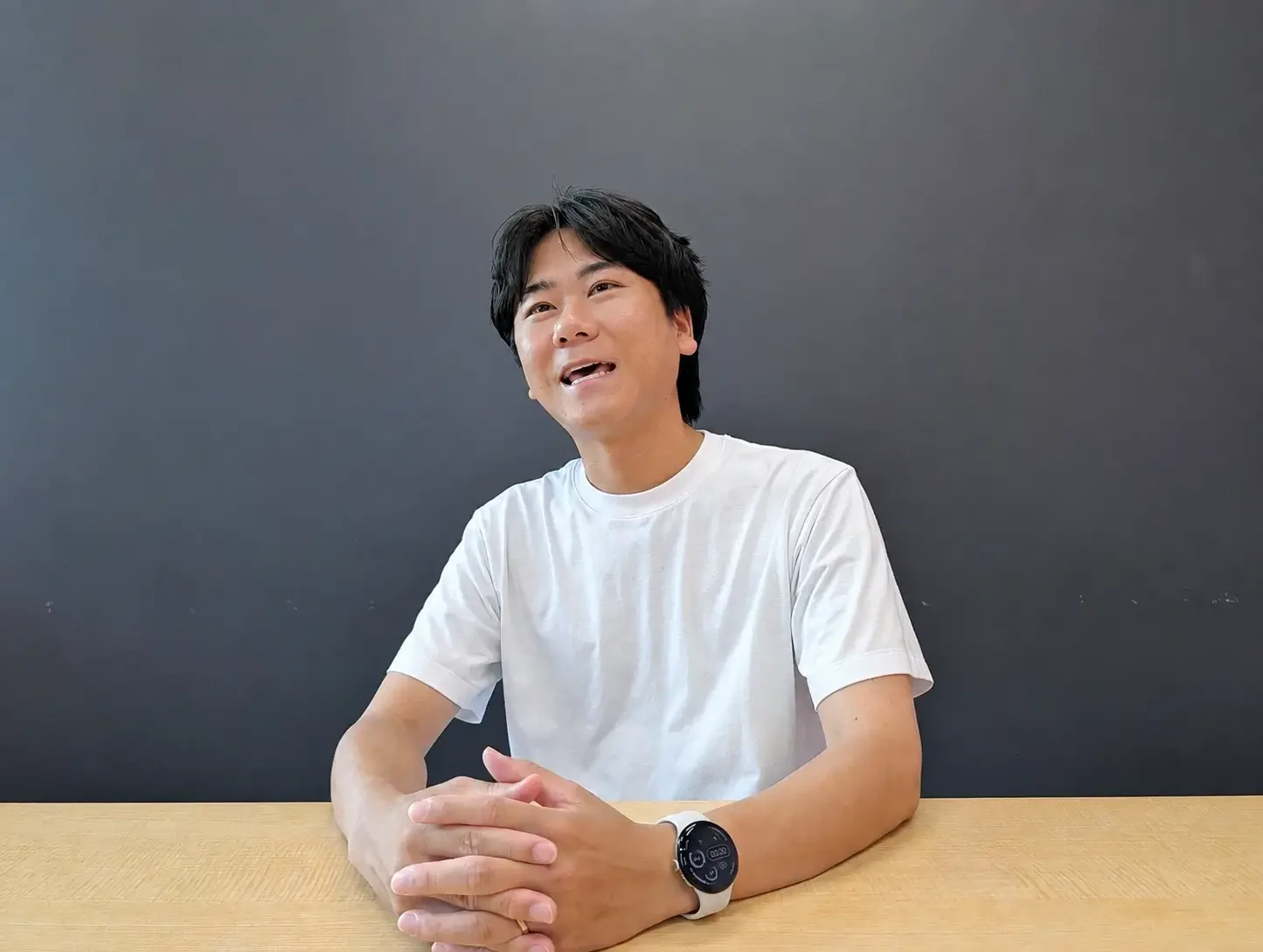
No.
First of all, the fact that there wasn’t a single engineer in the company didn’t bother me at all. If anything, it meant there was that much more room for improvement.
And actually, this is the second time I’ve chosen this kind of path that most people wouldn’t take.
When I joined Wovn, English was the official language of the development organization and almost everyone on the team was from outside Japan.
I joined without being able to speak English at all.
Sure enough, for the first month I could barely understand what anyone was saying, and it was tough. [Laughs]
Most people would probably learn at least a little English before joining a company like that.
But looking back, that decision was a very good one, and very characteristic of me.
In my experience, if very few people around you are choosing the same path, that isn’t a reason to hesitate. If anything, it can be a sign that you’re making a good choice.
There’s a phrase I like that is said to have been written by Sen no Rikyū:
“Where others go, look for the path behind them; there, a mountain of flowers awaits.”
The idea is that rather than doing exactly what everyone else is doing, deliberately taking a different path—or the road less traveled—can lead you to something extraordinary.
I think this decision was exactly that kind of path.
— Even so, was there anything you wanted to verify before joining?
I looked at things like the company’s financial statements and the overall state of the business.
The company is self-funded, with transaction volume in the tens of billions of yen and operating profit in the hundreds of millions of yen.
Without raising outside capital, it has grown into one of Japan’s largest educational travel service companies.
Speaking as someone who spent nine years in the startup world, it is extremely rare to see a company reach this scale while remaining profitable and without external funding.
And it had reached this scale without relying heavily on technology, just as it was preparing to expand globally.
That aligned perfectly with my own desire to take on the challenge of becoming a global leader.
Five consecutive months of hitting revenue targets. The remarkable results created by AI agents built specifically for the company.
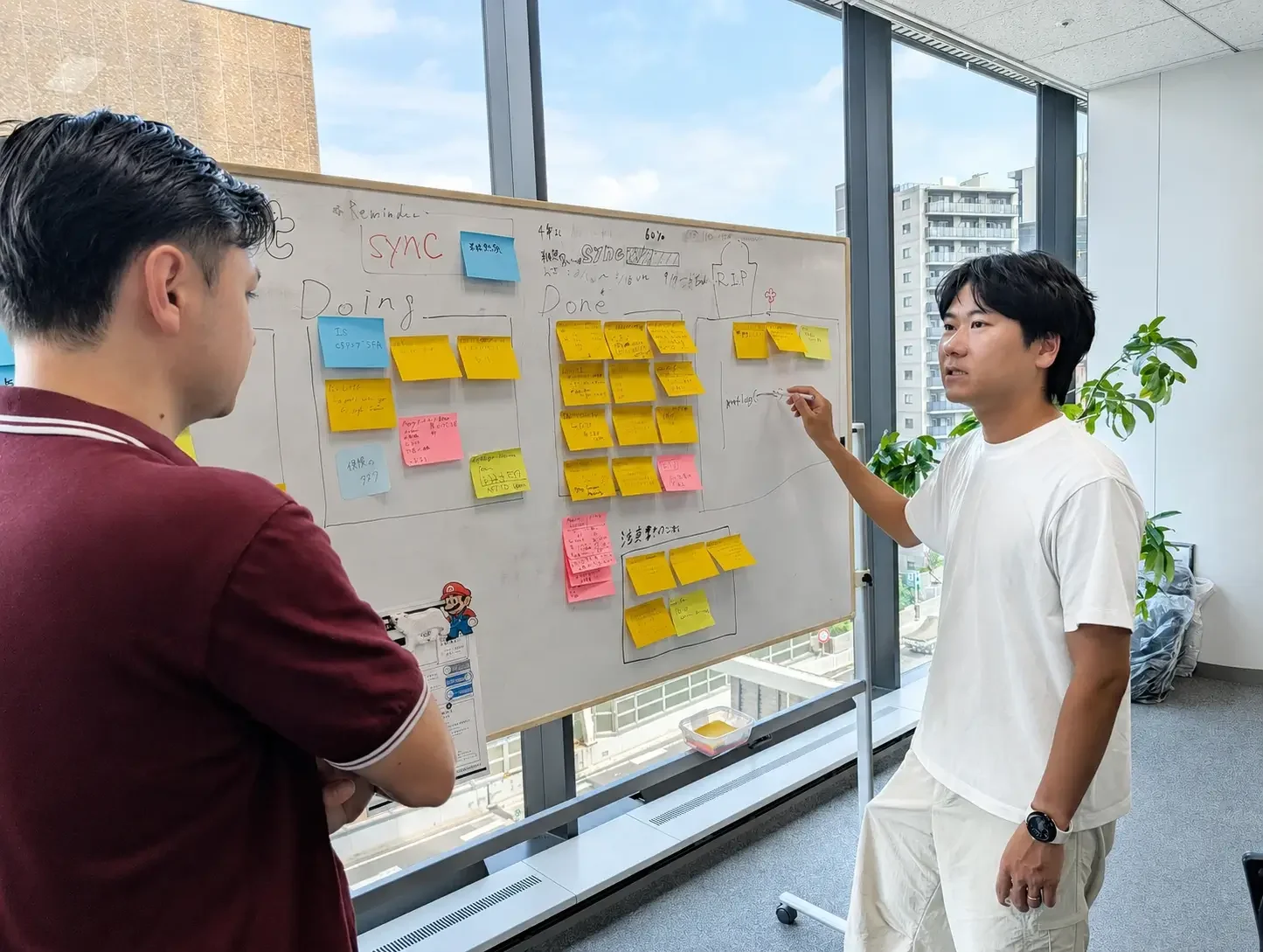
Daily morning team meeting
— What was it actually like once you joined?
The first things I built were a sales support system and AI agents.
These weren’t off-the-shelf products. They were built specifically around our company’s own workflows.
As a result, the company has now achieved its monthly sales target for five consecutive months.
It’s the first time in several years that this has happened.
Average sales per salesperson have also reached an all-time high, and some team members have broken previous internal records for monthly individual sales.
Of course, the team members’ hard work has been the biggest factor, but I can definitely feel the impact the systems and AI agents have had as well.
The change across the wider company has also been significant.
Before I joined, nobody in the company used Claude Code.
Now, more than 90% of employees use it.
Of course, we first established appropriate rules around data handling. But with those rules in place, HR now uses Claude Code to build and operate its own tools for things such as recruitment funnel analysis and staff shift management.
Sales teams use it to create dashboards tracking sales trends and progress toward targets.
On the management side, we connected Salesforce through MCP. Previously, someone might request a report needed for a management decision and wait several hours for it to be prepared.
Now, they can ask AI and have the figures within five minutes.
And there is still so much more we want to do.
There are many things left where, simply doing them, will directly move revenue and the business forward. We are also starting to see new businesses emerge that make use of systems and AI agents.
That’s why we’re now hiring at a rapid pace.
— How is BLUED planning to win through AI?
We’re taking the AI-native workflows and operations we’ve built in the Tokyo office and rolling them out directly overseas.
This year, we’re launching a branch in East Asia, and next year we plan to expand further into Southeast Asia.
We also operate our own schools, welcoming students from different countries. The operations inside those schools will also be redesigned around AI agents.
The result is an AI-enabled, vertically integrated model that covers the entire journey—from customer acquisition through to life after traveling abroad.
At the same time, I don’t believe AI agents alone will provide a lasting competitive advantage.
In another two or three years, incorporating AI agents into business workflows will probably become much easier than it is today, and most companies will be able to do it to some extent.
When that happens, what will determine the winners and losers is data.
What was someone’s English ability before studying abroad?
Which country did they go to? What school did they attend, what course did they take, and for how many months?
What experiences did they have there? What part-time jobs did they do?
After returning home, how much had their English improved? What kind of company did they eventually join?*²
*We call this “Life-Changing Data.”³
Our vertically integrated model, spanning everything from customer acquisition to the person’s life abroad, gives us the structure to record this entire sequence of change.
We intend to accumulate this data across hundreds of thousands of people.
Once you have that data, even something as simple as recommending a study-abroad program changes fundamentally.
If someone says, “This is where I want to be in the future,” AI can look at data from people who started from a similar position and successfully reached that destination, and then design the optimal study-abroad plan for that individual.
The recommendation is no longer based only on the intuition and experience of a consultant.
It is backed by the life changes of hundreds of thousands of people.
And this is data that a pure tech company cannot replicate. You can only gather it by having physical operations overseas and maintaining a long-term relationship with customers from before they travel until after they return home.
Because it takes years to accumulate, a late entrant cannot suddenly catch up.
In this growing market, I believe the company that successfully builds both the vertically integrated model and the data will become the next global leader.
² BLUED also provides employment and career-change support after customers complete their study-abroad experience.
³ “Life-Changing Data” is handled as anonymized statistical data in a way that prevents individuals from being identified.
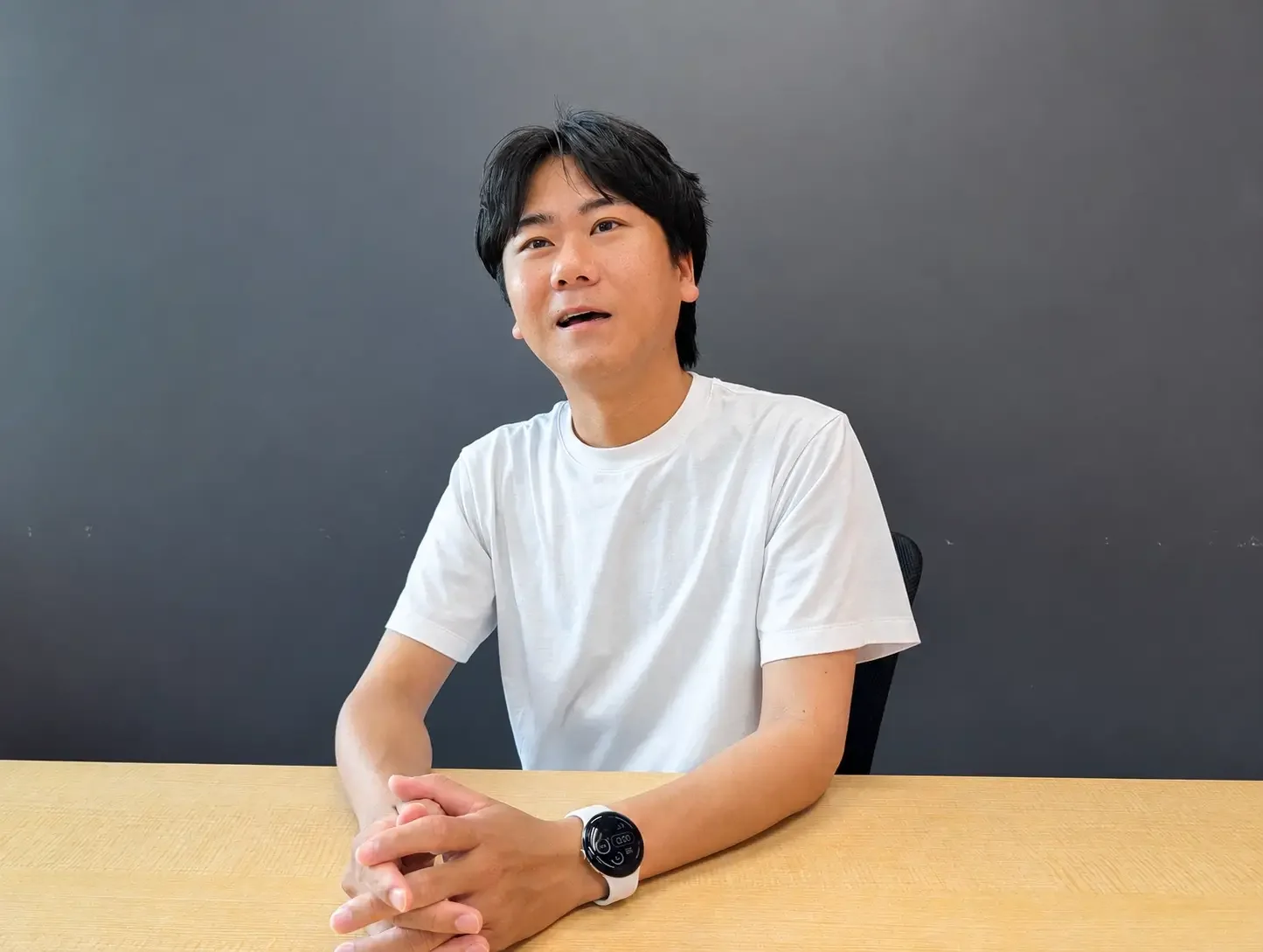
— You mentioned that you’re hiring. What kind of people would you like to work with?
For engineers, we’re looking for people who want to work full-stack × full-process.
That means writing backend, frontend and infrastructure code, while also speaking directly with stakeholders to understand what should be built, and then taking it all the way through design, implementation and operations yourself.
The fewer handoffs you have, the faster development becomes. I think this structure makes it easiest to achieve the kind of development speed that’s possible in the AI era.
We’re also interested in people who may have become a little tired of working at SaaS companies.
People who feel they aren’t fully using the skills they have.
Especially in B2B SaaS, you build software that helps another company grow its business.
At BLUED, we grow our own business using software that we build ourselves.
You can release something and hear the reaction or see the result from the department sitting next to you the same day—or the very next day.
That closeness of feedback is something I never experienced in SaaS.
I’d also really like people in business roles to understand what’s happening here.
BLUED isn’t a company waiting for AI to take people’s jobs. It’s a company using AI to redesign the way work itself is done.
There are probably still very few companies in Japan where more than 90% of employees are using Claude Code.
And right now, AI is changing all the rules.
That’s exactly why I think both engineers and people in business roles should take a moment to ask themselves where they want to work during this period of transformation.
Where others go, look for the path behind them; there, a mountain of flowers awaits.
About BLUED
BLUED is a Japanese education and travel company helping people access global opportunities through study abroad, educational travel, inbound programs, and digital media.
Learn more about the company here:
https://note.com/bluedrecruitment
Stay in touch with Masahiro Hisada here: